 TikTok was originally an app called Musical.ly, created for users to mainly post lip-syncing videos.
2019 data and demographics states that TikTok is currently in 154 countries and has approximately 500 million active users.
The app remains consistently in the Top 10 most downloaded in the App stores.
Around 66% of TikTok users are younger than 30 and although on the surface it seems to be massive among teens, the growth in the 20 to 30 age group is on a sustained incline.
How TikTok works
The app has an unweighted algorithm. This means that videos are organically shown in the order that they are shared, and hashtags can also be used effectively.
Once you start following and interacting with other users, the app will begin surfacing similar content and creators in the For You feed.
Users can record and upload 15- to 60-second creative video clips set to music and the app is dedicated solely to video creation and sharing.
When browsing one is served a curated feed of popular videos from friends, celebrities and brands. Content can be explored using keywords, trending topics and hashtags.
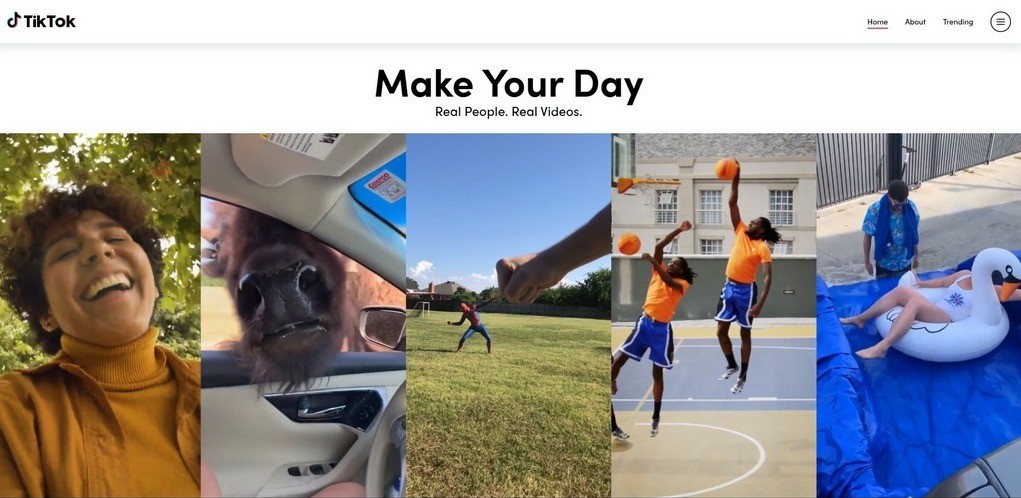
One of the big successes of TikTok is the organic ‘home movie’ feel of the videos and the absolute ease of use.
TikTok for social impact campaigns

The success of the app is the lo-fi user videos.
Videos that are over-produced or look too professional or corporate are scorned.
The app was originally designed as an educational tool. This makes it a great platform for a short instructional video on how to donate or how to give back to your community. Remember to keep it fun and fresh.
The nonprofit Girls Who Code partnered with TikTok to celebrate International Day of the Girl in 2018.
They asked users to create videos of themselves writing an issue that they’re passionate about on their hand, and TikTok donated $1 per video made to the organization.
The videos were organised under the hashtag #raiseyourhand and were viewed 21.1 million times.
One of the real challenges for brands today is that Gen Z ( who commonly follow after Gen Y – Millennials) have changed the landscape of consumer social impact and with it brand engagement.
Today’s youth are becoming increasingly more aware of social causes.
TikTok may provide the ideal platform to rally a youthful audience into awareness of your cause.
For more information on how to reach donors using Instagram Stories, we recommend Facebook’s Social Good website, which has a ton of case studies, tips, and guided lessons.